THE WORK

Four systems, from multi-agent LLM orchestration to quantum-classical generative models. Every case study reads problem, approach, result — and the metrics are measured, not estimated.
01May 2026

HireEdge

Agentic AI Recruitment Platform

Specialised agents
6
Full strategy
<60s
Concurrent workers
4

A six-agent LLM pipeline that turns a raw resume into a complete candidate outreach strategy in under a minute.

Problem
Recruiter outreach research is manual and slow — a single candidate resume takes hours to turn into a matched, personalised strategy.
Approach
A 6-agent LLM pipeline on LangChain and Groq LLaMA 3.3 70B with stateful context propagation, parallel inference and fault-tolerant execution, served through a 4-worker Flask/Waitress REST API with real-time SSE streaming.
Result
Complete outreach strategy in under 60 seconds, synchronised agent output handling, and a post-processing pipeline that eliminated 100% of formatting artifacts.

Stack

  • LangChain
  • Groq LLaMA 3.3 70B
  • Flask
  • React
  • SSE
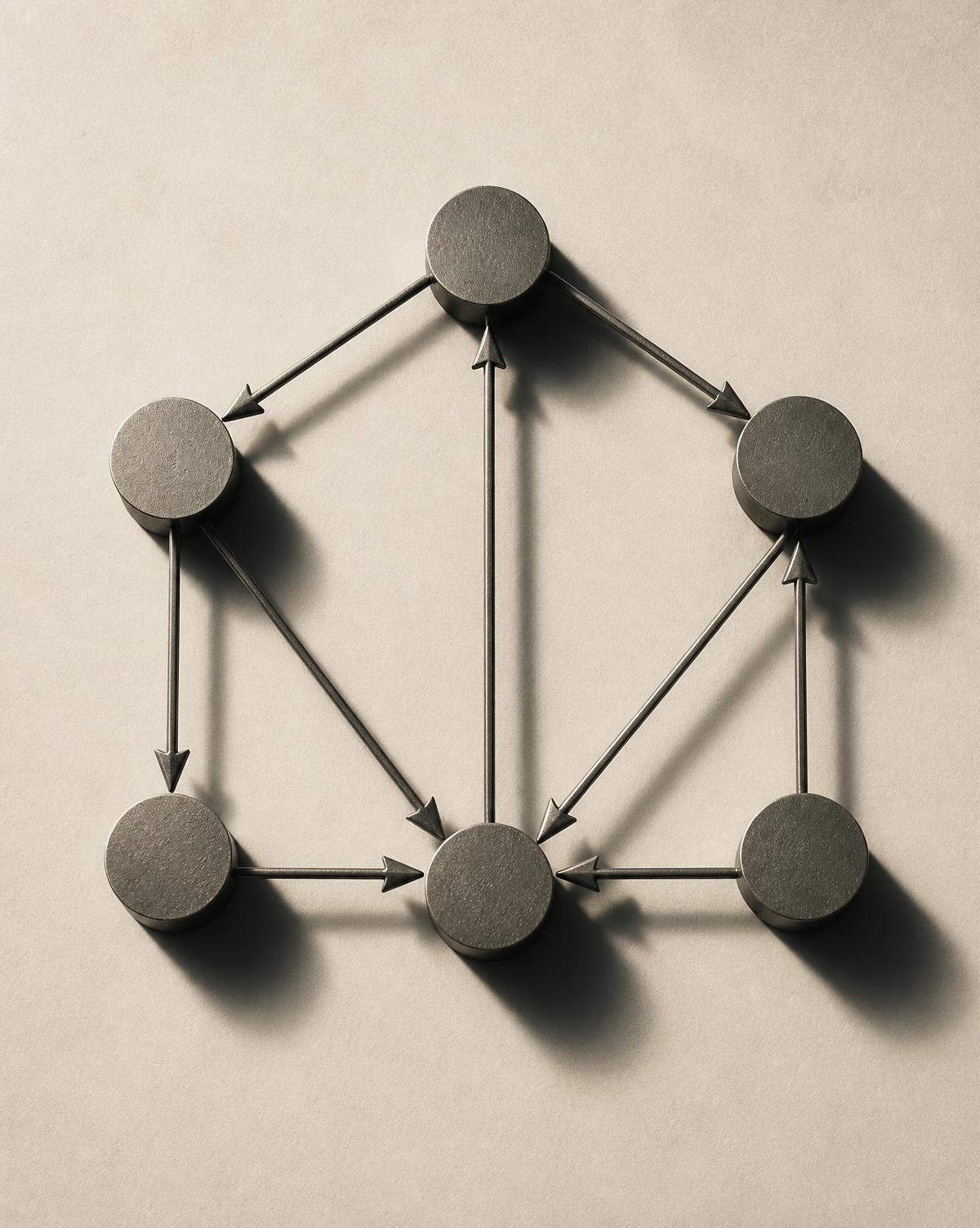
Six machined steel nodes connected in a directed graph

Designed and deployed a 6-agent LLM pipeline orchestrating parallel inference with LangChain and Groq LLaMA 3.3 70B, with stateful context propagation across agents and fault-tolerant execution under variable latency.

Engineered a production-grade multi-threaded REST API (Flask + Waitress, 4-worker concurrent server) with real-time SSE streaming, synchronised agent output handling, and a custom post-processing pipeline that eliminated 100% of formatting artifacts.

Applied prompt engineering and agent chaining to coordinate resume parsing, profile matching, message generation and scoring — end-to-end GenAI system design from ingestion to structured output.

02Nov 2025

Flames.neo

Multi-Model GenAI Inference Platform

Model providers
3
Perceived performance
+20%

One platform, three frontier model providers, streamed side by side with session-persistent context.

Problem
Comparing frontier models means juggling three separate tools, three key stores and three broken conversation threads.
Approach
A MERN GenAI platform running concurrent inference across OpenAI, Gemini and Claude with secure key management and thread-safe, session-based context persistence, plus Google OAuth 2.0 on the React frontend.
Result
One streamed side-by-side chat surface across three providers, with a 20% improvement in perceived performance from optimised state management and lazy loading.

Stack

  • MERN
  • OpenAI
  • Gemini
  • Claude
  • OAuth 2.0
Three brushed aluminium ribbons converging into a single channel

Architected a scalable GenAI platform enabling concurrent multi-model inference across OpenAI, Gemini and Claude with secure API key management and thread-safe, session-based context persistence.

Built a production React frontend with Google OAuth 2.0, optimised state management and lazy loading — a 20% improvement in perceived performance and seamless real-time chat UX.

03May 2025

Brain Tumor Detection

Medical Deep Learning Classifier

Test accuracy
92%
Weighted F1
0.91
MRI scans
7,022

A convolutional classifier trained from scratch on 7,022 MRI scans across four tumor classes.

Problem
MRI tumor triage needs a classifier that is accurate across four classes, not just accurate on average.
Approach
A multi-block CNN trained from scratch in TensorFlow/Keras (stacked Conv2D, MaxPooling2D, Dropout) on 7,022 MRI scans, evaluated with confusion-matrix and per-class precision/recall analysis.
Result
92% test accuracy and a 0.91 weighted F1, with 95-97% precision on No Tumor and Pituitary; Meningioma isolated as the hardest class at 78% recall — the clear next target.

Stack

  • Python
  • CNN
  • TensorFlow / Keras
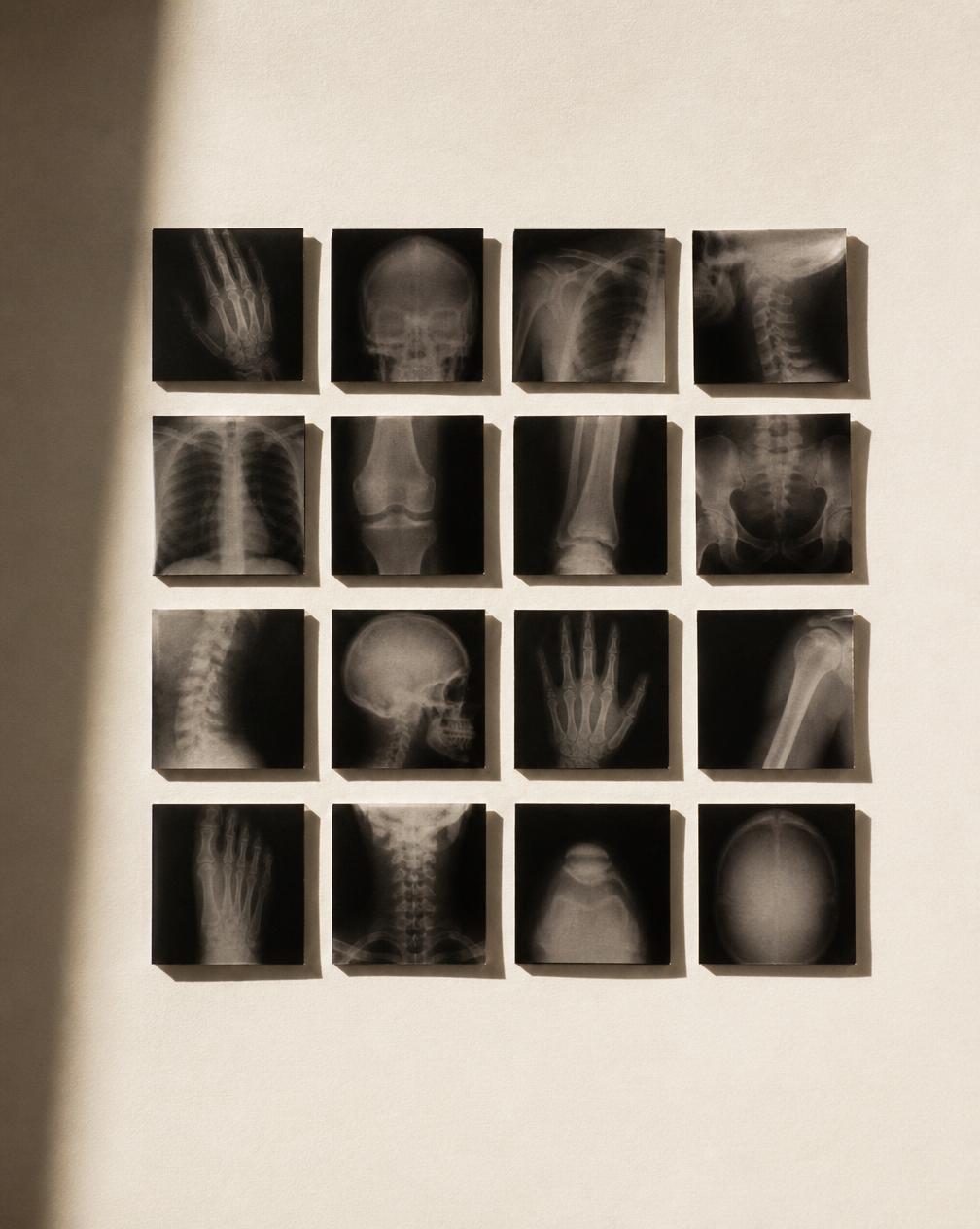
Grid of monochrome radiographic film squares on paper

Designed and trained a multi-block CNN from scratch (stacked Conv2D, MaxPooling2D and Dropout layers) on 7,022 MRI scans, reaching 92% test accuracy and a 0.91 weighted F1 across Glioma, Meningioma, Pituitary and No Tumor.

Evaluated beyond accuracy with confusion-matrix and per-class precision/recall analysis — 95-97% precision on No Tumor and Pituitary, and Meningioma identified as the hardest class at 78% recall, the clear next target.

04Jun 2024

Quantum GAN

Published Research — Image Generation

Discriminator loss
0.50
Generator loss
0.98
Epochs
90

A quantum-classical hybrid GAN using circuit entanglement and superposition to beat classical baselines.

Problem
Classical GANs plateau on sample diversity — could quantum circuit entanglement do better on the same benchmarks?
Approach
A quantum-classical hybrid GAN in TensorFlow and PennyLane using circuit entanglement and superposition, trained on FashionMNIST and Numeric MNIST.
Result
0.50 discriminator loss and 0.98 generator loss at epoch 90, outperforming classical baselines in output quality and sample diversity. Accepted and published as a research paper.

Stack

  • TensorFlow
  • Quantum ML
  • PennyLane
Interlaced brass wires forming an entangled lattice

Designed and implemented a Quantum Generative Adversarial Network for image synthesis on FashionMNIST and Numeric MNIST, leveraging quantum circuit entanglement and superposition to outperform classical GAN baselines in output quality and sample diversity.

Reached 0.50 discriminator loss and 0.98 generator loss at epoch 90, establishing benchmarks for quantum-classical hybrid image generation. Accepted and published as a research paper.